Ori and the Will of the Wisps vs Ori and the Blind Forest: Which to Play?
Choosing between Ori and the Will of the Wisps vs Ori and the Blind Forest? Discover the key differences in gameplay, combat, and scope in our deep dive.
Published: Ori and the Will of the Wisps Wiki Editorial Team
Table of Contents
Introduction: Why Comparing These Metroidvania Gems Matters
If you are a fan of atmospheric platformers, the debate surrounding Ori and the Will of the Wisps vs Ori and the Blind Forest is likely at the top of your mind. Both titles stand as pinnacles of the Metroidvania genre, yet they offer distinct experiences that cater to different player preferences. Understanding how these games differ is crucial for newcomers who might be deciding where to begin their journey in the spirit-filled world of Niwen and Nibel.
Whether you are seeking a tightly focused narrative experience or an expansive adventure with complex combat systems, choosing correctly ensures you get the most out of your time. Let’s break down the evolution of this series to help you decide which masterpiece deserves your attention first.
Evolution of Scope: From Nibel to Niwen
The most significant shift between the two titles is the sheer scale of the world. While The Blind Forest is a concise, tightly-knit experience that many players can finish in under ten hours, its sequel is significantly larger. According to developers at Moon Studios, Ori and the Will of the Wisps is roughly three times the scale of its predecessor, offering a much broader map and more varied environments.
Scale Comparison Table
Feature
Ori and the Blind Forest
Ori and the Will of the Wisps
Average Completion
~8–10 Hours
~15–20+ Hours
Combat System
Simple/Light
Complex/Radial Menu
World Design
Interconnected/Linear
Expansive/Hub-based
Save System
Manual (Soul Links)
Auto-save
As noted by community members, the larger scope of Will of the Wisps allows for deeper exploration, but some players prefer the focused intensity of the first game. If you value a shorter, more intense emotional journey, the first title is your best bet. If you crave content density and RPG-lite progression, the sequel is the clear winner.
Combat Mechanics: A Dramatic Shift in Style
When looking at Ori and the Will of the Wisps vs Ori and the Blind Forest, the most radical departure is undoubtedly the combat system. In the original game, Ori relied heavily on "Sein," a spirit light that acted as a projectile weapon. Combat was functional but definitely secondary to the platforming.
The sequel introduced a full-fledged melee combat system. Ori now wields a variety of weapons, and the game utilizes a radial menu to switch between them. This change was implemented to provide players with more agency and strategic options.
Tip
Combat Optimization
If you find the combat in Will of the Wisps overwhelming, start by experimenting with the Spirit Shards. You can customize your playstyle—focusing on heavy damage, defensive buffs, or mobility—to match the specific boss encounters you are struggling with.
Visuals and Performance: A Leap in Technology
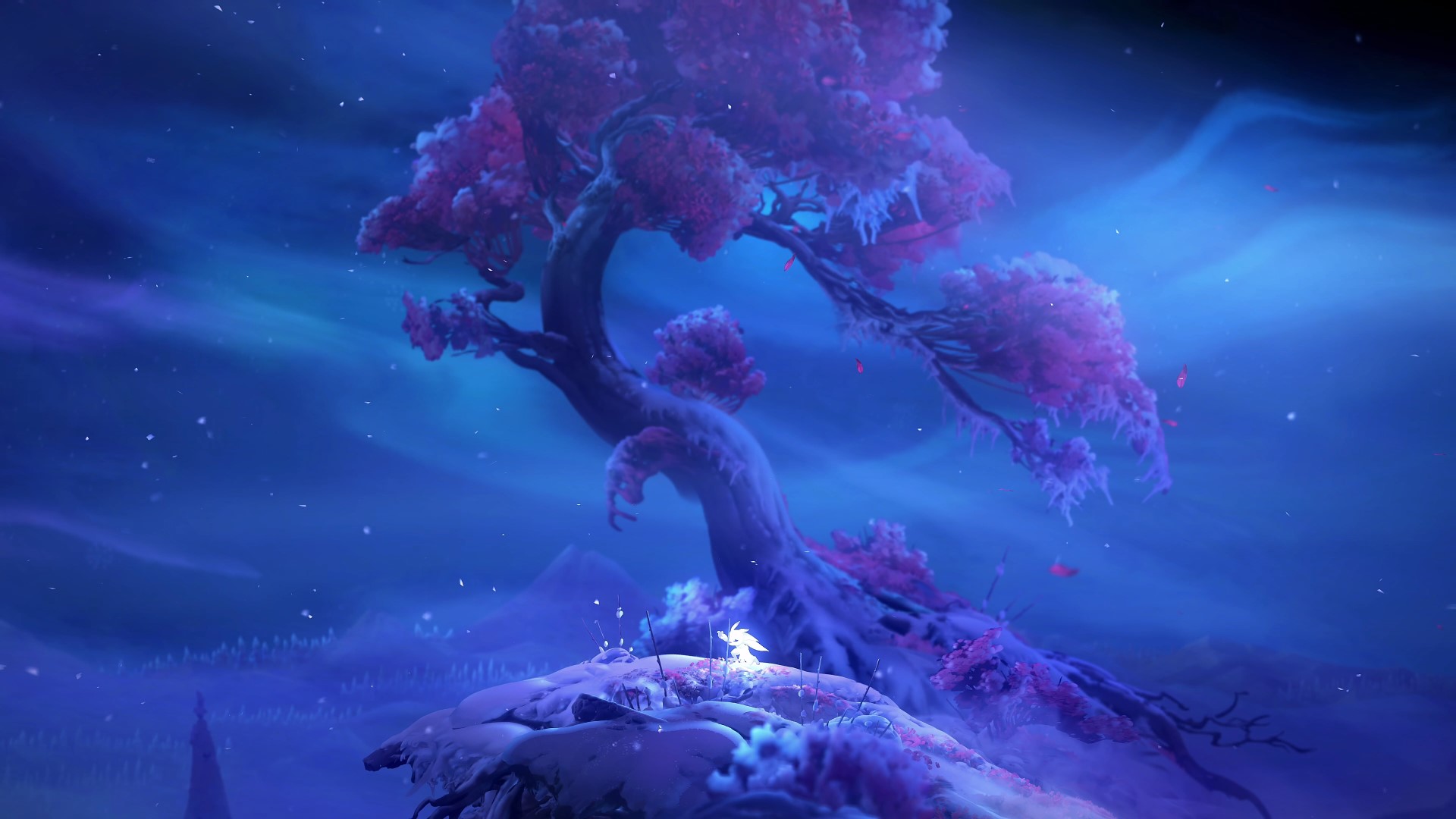
Both games are visual stunners, often cited as some of the most beautiful titles in the industry. However, there is a technical distinction. The Blind Forest utilizes beautiful, hand-painted 2D backgrounds. The sequel takes this further by integrating 3D models into multilayered environments, creating a sense of depth that was previously impossible.
Technical Performance Overview
Art Style: Both maintain a "nature-inspired" aesthetic that is visually distinct.
Optimizations: The sequel offers enhancements for modern consoles, including 4K resolution and high-refresh-rate support on platforms like the Xbox Series X/S.
Community Report: Some players have noted minor frame-rate inconsistencies in earlier versions of the sequel, though these have been largely addressed via post-launch updates.
Progression Systems: Shards vs. Ability Trees
The way you upgrade Ori has changed fundamentally. In the first game, you progress through a linear ability tree. In the sequel, the game adopts a "Shard" system, which functions similarly to Final Fantasy's materia system. This allows for a more modular approach to building your character.
System
Ori and the Blind Forest
Ori and the Will of the Wisps
Progression
Linear Tree
Shard/Equipment Based
Customization
Low
High
Flexibility
Set path
Dynamic builds
This change provides more replayability in Will of the Wisps, as players can experiment with different shard combinations to suit different platforming challenges or boss fights.
The Consensus: Which One Should You Play?
If you are wondering whether to start with the first or the second, the consensus from the community is to play them in chronological order. Even though the story in Will of the Wisps stands on its own, experiencing the emotional weight of The Blind Forest makes the transition to the larger, more complex world of Niwen far more satisfying.
You can visit the official Steam store page for Ori and the Will of the Wisps to check out the current system requirements and community discussions. It is also worth noting that many players suggest grabbing the collection if you are planning to commit to the series.
FAQ: Frequently Asked Questions
Q: Is Ori and the Will of the Wisps a direct sequel?
A: Yes, it is a direct sequel that maintains narrative continuity with Ori and the Blind Forest. While you can jump into Ori and the Will of the Wisps without playing the first, you will miss out on key character development.
Q: Which game is more difficult?
A: Will of the Wisps generally presents a higher challenge due to its more complex boss fights and combat mechanics. The first game focuses more on precision platforming puzzles.
Q: Can I play these games on the Nintendo Switch?
A: Yes, both titles are available on the Nintendo Switch. Performance is remarkably solid on the platform, though the sequel is a more demanding title graphically.
Q: Does Ori and the Will of the Wisps have multiplayer?
A: No, both games are strictly single-player experiences, though the sequel includes "Spirit Trials," where you can compare your times and race ghosts of other players to add a competitive layer.