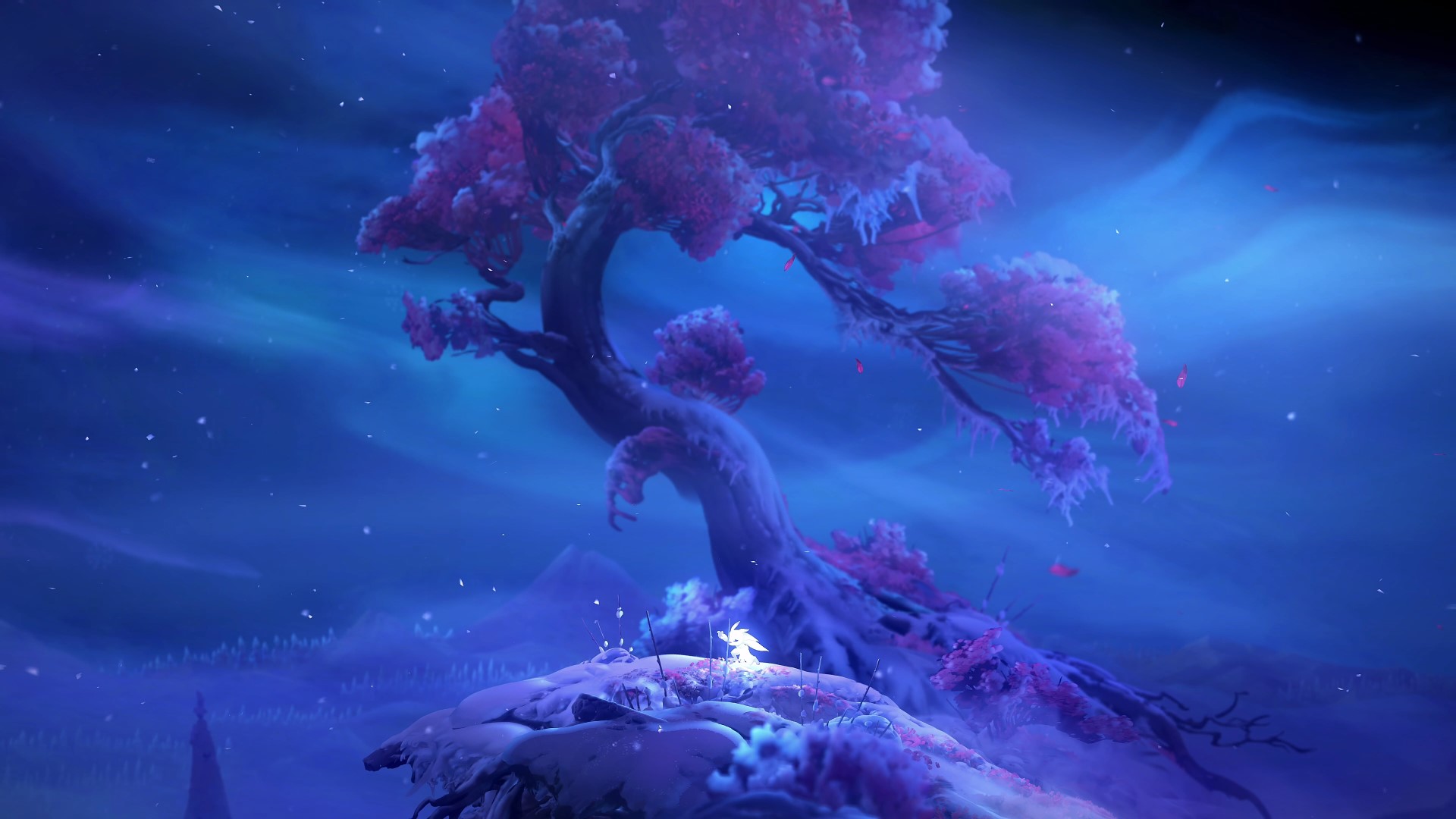
Ori and the Will of the Wisps: Do I Need to Play the First One?
Wondering, "Ori and the Will of the Wisps: do I need to play the first one?" Discover if you can start with the sequel or if you should play the original.
Published: Ori and the Will of the Wisps Wiki Editorial Team
Table of Contents
The Ori series is widely celebrated for its breathtaking art style, emotional storytelling, and fluid platforming mechanics. However, when newcomers look at the franchise, a common question arises: "Ori and the Will of the Wisps: do I need to play the first one?" It is a valid concern, especially when you are eager to jump into the critically acclaimed sequel but want to ensure you aren't missing essential context.
The short answer is no, you do not strictly need to play Ori and the Blind Forest to enjoy Ori and the Will of the Wisps. The sequel is designed to be accessible, featuring a narrative that stands on its own. However, while you don't need to play the original, understanding the series' roots can significantly enhance your appreciation for the characters and the evolution of the gameplay mechanics. In this guide, we will explore why you might choose to start with the sequel, what you gain by playing the original, and essential tips for getting started on your journey through the Spirit Realm.
Understanding the Narrative Connection
One of the most frequent questions from prospective players is, "Ori and the Will of the Wisps do I need to play the first one to understand the story?" The answer lies in how the developers at Moon Studios crafted the sequel. Ori and the Will of the Wisps serves as a direct narrative continuation of Ori and the Blind Forest, but it functions as a standalone experience.
The game effectively catches you up on the emotional stakes and the relationship between Ori and the other inhabitants of the forest. While you will miss the specific emotional journey Ori underwent in the first game, the sequel provides enough context to ensure you aren't lost. Many players have jumped straight into the second title and found it perfectly understandable.
Narrative Context Comparison
Feature
Ori and the Blind Forest (2015)
Ori and the Will of the Wisps (2020)
Primary Focus
Establishing the bond between Ori and Naru.
Expanding the world and Ori's purpose.
Story Access
Requires playing to understand the origins.
Standalone; provides sufficient backstory.
Emotional Tone
Focused on loss and survival.
Focused on discovery and legacy.
Connection
The foundational experience.
The expanded, refined sequel.
If you are the type of player who prioritizes gameplay mechanics over deep lore, you can comfortably skip the first game. However, if you are a completionist who loves world-building, playing the original first will deepen your attachment to the characters, making the events of the sequel feel much more impactful.
Gameplay Evolution: A Fresh Start
When you analyze the mechanical differences, it becomes clear why many players are tempted to start with the sequel. Ori and the Will of the Wisps represents a massive leap forward in terms of combat, movement, and player agency. The original game was primarily focused on movement and puzzle-solving, with a somewhat limited combat system. The sequel, conversely, introduces a robust combat suite that feels akin to modern action-platformers.
If you are worried about the mechanical transition, you don't need to be. The sequel introduces mechanics gradually, ensuring that even if you are a newcomer—or someone who skipped the first game—you will not feel overwhelmed.
Key Mechanical Differences
Mechanic
Ori and the Blind Forest
Ori and the Will of the Wisps
Combat System
Simple, limited attacks.
Complex, varied weapons and abilities.
Quest System
Linear progression.
Quest-based with NPCs and side content.
Customization
Basic skill tree.
Highly customizable Spirit Shards.
Accessibility
Challenging, less forgiving.
More accessible with difficulty options.
This evolution is why community members often suggest that even if you skip the first, you aren't "missing out" on the modern quality-of-life features that define the current gaming experience. The sequel feels like a refined, more polished version of the formula established in the first game.
Getting Started: Essential Tips for New Players
If you have decided to jump straight into Ori and the Will of the Wisps, you are in for a treat. However, the game can be challenging, especially in the early stages. Based on expert guides and community reports, there are several things you should focus on immediately after the opening cutscenes.
Initial Strategy Checklist
Explore thoroughly: Do not rush to the first objective. The game is packed with hidden items and consumables in "nooks and crannies."
Prioritize Spirit Light: This is your currency. Save it to purchase the "
Triple Jump" ability from the NPC Twillen as soon as possible.
Master the map: Study your map constantly. It reveals paths you haven't explored and helps you navigate the darkness.
Utilize the Spirit Edge: Use this early-game sword not just for combat, but for a small boost in jump height.
Tip
Combat vs. Exploration Builds
Depending on your playstyle, focus your Spirit Shards accordingly. If you prefer combat, prioritize "Reckless" for attack power. If you prefer exploration, prioritize "Triple Jump" and "Magnet" to make platforming and resource gathering significantly easier.
Community reports often highlight that players who ignore these early-game tips find the difficulty spikes in the Inkwater Marsh and Kwolok's Hollow much more frustrating. Taking the time to understand your abilities early is the difference between a smooth playthrough and constant restarts.
The "Should I Play Both?" Debate
We have addressed the question "Ori and the Will of the Wisps do I need to play the first one," but the debate continues. Is there a downside to skipping the first game? Yes, specifically regarding the "emotional payoff."
Many players on community forums have shared their experiences of buying the second game, thinking it was the only one, and then going back to play the first. They often report that the first game feels "slower" or "stiffer" after experiencing the fluid controls of the sequel.
Pros and Cons of Playing in Order
Pros of Playing Both:
You appreciate the character growth of Ori.
You avoid "regression" in gameplay feel (going from the fluid sequel back to the stiffer original can be jarring).
You experience the full artistic progression of the series.
Cons of Playing Both:
It requires a significant time investment.
The first game's combat might feel underwhelming compared to the second.
Ultimately, if you have the time, play them in order. It is a rewarding experience. If you are short on time or just want to experience the best the series has to offer, starting with Will of the Wisps is perfectly acceptable and arguably the more "modern" entry point.
Navigating the Early Game: A Guide to Success
Once you have started your journey, the game will throw various challenges at you. Whether you are dealing with the initial escape sequences or trying to figure out how to navigate the water, remember that patience is key. The game rewards observation. For instance, you will encounter glowing objects—always investigate these. They are usually Life Cell Fragments or Spirit Shards that will make your life significantly easier.
Recommended Early-Game Progression
Area
Goal
Why it Matters
Inkwater Marsh
Find the first Keystones.
Teaches basic navigation and combat.
Kwolok's Hollow
Acquire new skills.
Essential for accessing previously unreachable areas.
Spirit Gates
Use Keystones to unlock.
Progresses the main story.
As noted by players, don't be afraid to experiment with your combat strategies. The "Spirit Edge" is your best friend early on. When you encounter enemies, learn their movement patterns rather than mindlessly button-mashing. This approach is vital for the harder sections of the game. You can find more detailed information on the official Ori and the Will of the Wisps Steam store page.
FAQ: Frequently Asked Questions
Q: Ori and the Will of the Wisps: do I need to play the first one to understand the plot?
A: No, you do not. While Will of the Wisps is a sequel, it is designed as a standalone story. The game does a great job of providing necessary context so that new players aren't confused.
Q: Is the first game better than the second?
A: "Better" is subjective. Ori and the Blind Forest is praised for its atmosphere and music, while Ori and the Will of the Wisps is widely considered superior in terms of gameplay mechanics, combat depth, and quality-of-life improvements.
Q: Can I skip the first game and still enjoy the experience?
A: Absolutely. Many players start with Will of the Wisps and have a fantastic time. The sequel is more accessible, features more robust combat, and is often considered the peak of the franchise.
Q: Is the game too hard for a beginner?
A: It can be challenging, but it is not unfair. The game includes mechanics that allow you to customize your playstyle (via Spirit Shards). If you find combat difficult, you can focus on defensive shards; if you find platforming hard, you can prioritize mobility upgrades.
In conclusion, while the first game offers a beautiful foundation, you should not let the question "Ori and the Will of the Wisps do I need to play the first one?" stop you from enjoying this masterpiece. Whether you start with the original or dive straight into the sequel, you are in for an unforgettable journey through a world that is, quite literally, a work of art.