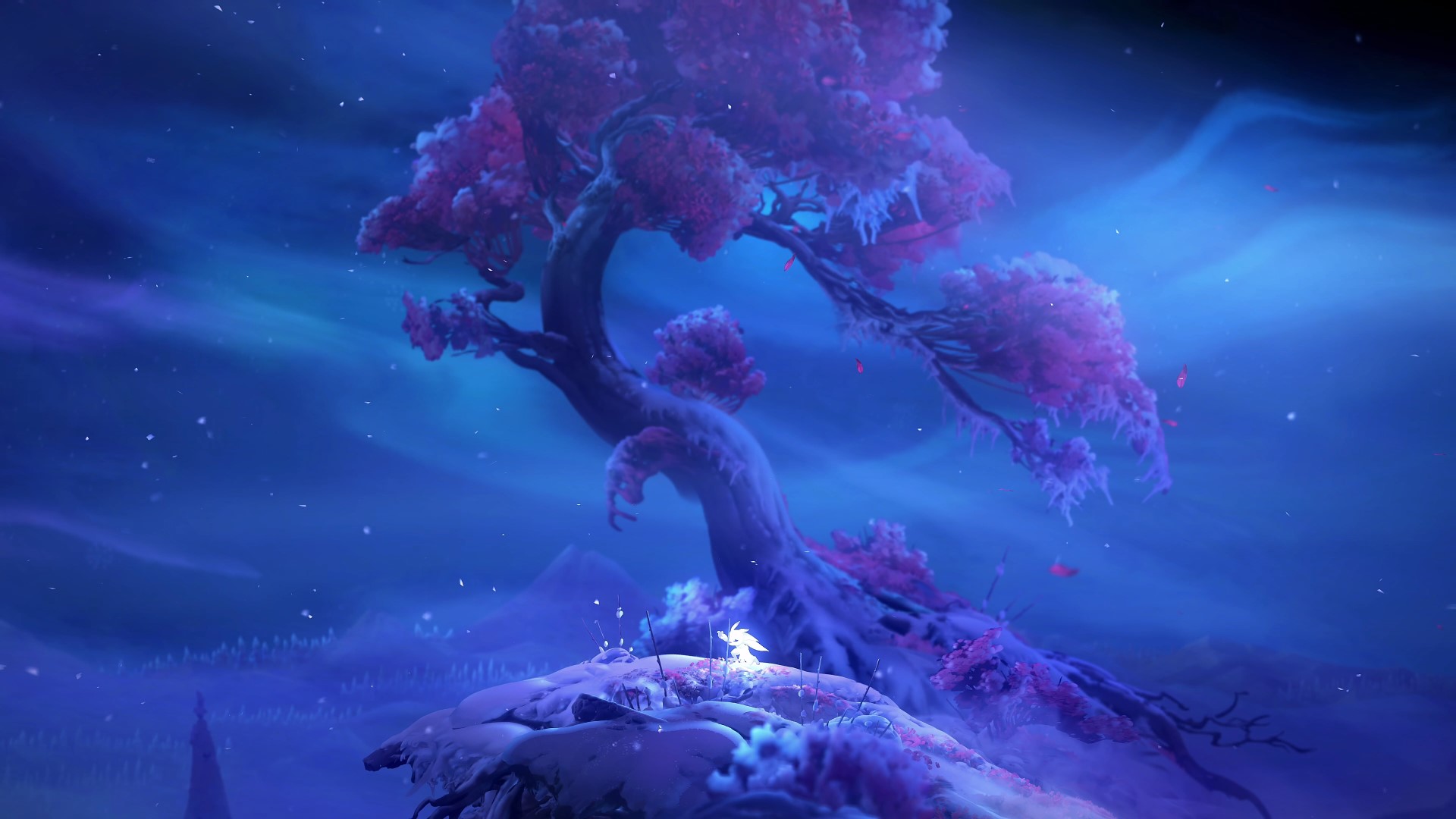
Ori and the Will of the Wisps Ending Explained: A Deep Dive
Discover the true meaning behind the Ori and the Will of the Wisps ending. We break down the emotional finale, the cycle of light, and the future of the series.
Published: Ori and the Will of the Wisps Wiki Editorial Team
Table of Contents
The journey of the little spirit Ori is one of the most visually stunning and emotionally resonant experiences in modern gaming. If you have just rolled the credits, you are likely searching for an Ori and the Will of the Wisps ending explained guide to help process the bittersweet conclusion of this masterpiece. Understanding the final moments is essential because they redefine the entire narrative arc of the franchise, shifting from a simple survival story to a profound meditation on sacrifice, legacy, and the cyclical nature of life.
Whether you are a newcomer to the series or a long-time fan, the Ori and the Will of the Wisps ending explained provides the context needed to appreciate why this game remains a benchmark for storytelling in platformers. By unraveling the mysteries of the Spirit Willow and Ori's ultimate fate, we can better understand the emotional weight behind the final scene.
The Weight of Sacrifice: Why Ori’s Path Matters
In Ori and the Will of the Wisps, the stakes are raised significantly compared to the first installment. Ori is no longer just fighting for personal survival; he is fighting to heal a broken world. The narrative focuses on the restoration of the light, but as many players discover, restoring balance requires a heavy price.
According to developer Moon Studios, the game was designed to explore themes of interconnectedness. When Ori realizes that the light must be restored to save Ku and the forest, he accepts a transformation that fundamentally changes his existence. This isn't just a plot point; it is a character-defining moment that cements Ori as a self-sacrificial hero.
Key Narrative Beats of the Finale
Event
Significance
Emotional Impact
Healing the Willow
Restoring the source of light
High - marks the turning point
The Final Battle
Shriek's tragic confrontation
Intense - highlights the cost of corruption
Ori's Transformation
Merging with the light
Bittersweet - the hero becomes the legend
The Final Leaf
The start of a new cycle
Hopeful - suggests a future legacy
Unpacking the Climax: Shriek and the Cycle of Decay
The antagonist of the game, Shriek, serves as a dark mirror to Ori. While Ori is surrounded by a found family—Naru, Gumo, and Ku—Shriek is defined by abandonment and deformity. Community reports from various forums highlight that many players felt deep sympathy for Shriek, as her corruption was a result of her environment rather than inherent malice.
When we look at the Ori and the Will of the Wisps ending explained through the lens of Shriek, we see that the game is not about "good vs. evil" in a traditional sense. It is about the cycle of life. The decay that plagued the forest was a symptom of a world out of balance. Ori’s final act of becoming the new Spirit Tree is the ultimate correction of that imbalance.
Tip
Understanding Shriek’s Motivation
Many players miss the subtle environmental storytelling in the Weeping Ridge. Pay close attention to the murals; they reveal that Shriek’s path was dictated by the same cycle that Ori eventually chooses to perpetuate.
The Transformation: Ori Becomes the Spirit Tree
The most discussed aspect of the finale is Ori’s metamorphosis. By choosing to merge with the light, Ori ceases to be a mobile, individual spirit and becomes the anchor for the forest's life force. This shift is jarring for players who spent hours mastering Ori's movement abilities, but it is narratively necessary.
Comparing the Two Games
Feature
Ori and the Blind Forest
Ori and the Will of the Wisps
Core Theme
Recovery and survival
Legacy and sacrifice
Ori's Role
The protagonist spirit
The catalyst for renewal
Ending Tone
Joyful reunion
Melancholic yet hopeful
Legacy
Establishing the bond
Securing the future
As the narrator—who is revealed to be the older Spirit Tree Ori—recounts the tale, it becomes clear that this is a story told from the future. The "will" in the title refers to the choice Ori made. He chose to give up his individual life to ensure that the light would never fade again.
Is a Third Game Possible?
The ending leaves the door wide open for future installments, though perhaps not in the way many expect. The final shot of a glowing white leaf falling from the Spirit Tree is a direct callback to the opening of the first game. This suggests that the cycle is ready to begin anew.
According to player discussions, the community is divided on whether a third game should feature Ori. Some argue that Ori's story is complete, while others believe the "leaf" represents a new protagonist who will carry the torch. Regardless, the cyclical nature of the world means the lore is rich enough to support further exploration.
Practical Tips for Post-Game Completion
If you have finished the main story, you might be wondering what is left to do. The world of Ori and the Will of the Wisps is dense with collectibles and side quests that enrich the lore.
Complete the Hand-to-Hand Quest: This lengthy side quest chain rewards you with the ability to see all map secrets. It is essential for completionists.
Spirit Trials: These are not just for speedrunners; they provide valuable Spirit Light and test your mastery of movement mechanics.
Explore the Wellspring Glades: As you restore the area, new dialogue options become available with the Moki, providing deeper context into the world's history.
Essential Exploration Checklist
Collect all Life Cells: Increases your survivability against endgame bosses.
Upgrade Spirit Shards: Maximize your efficiency in combat and movement.
Find all Energy Cells: Vital for using late-game abilities like Launch and Flash.
Complete the Moki Side Quests: These offer the best insight into the local inhabitants' perspective.
Frequently Asked Questions
What does the ending of Ori and the Will of the Wisps really mean?
The ending signifies that Ori has fulfilled his destiny by becoming the new Spirit Tree. It highlights the recurring theme of the series: for life to flourish, sacrifices must be made to maintain the balance between light and dark.
Does the ending imply that Ori is dead?
In the traditional sense, yes. Ori is no longer the individual spirit player controlled. However, he lives on as the Spirit Tree, watching over his family and ensuring the forest remains alive and vibrant.
Is the leaf at the end a sign of a sequel?
It is a symbolic representation of the cycle of life. While it doesn't explicitly confirm a sequel, it keeps the narrative cycle consistent, suggesting that the spirit of Ori’s world will always find a way to persist.
Can I continue playing after the ending?
Yes, the game allows you to return to your save file after the credits roll to finish any side quests, collectibles, or challenges you may have missed before the final encounter.